
Hiring teams today don’t struggle with opportunity. They struggle with attention.
Roles are posted, shared, reposted, and reshared across platforms every day. Yet most hiring posts blur together. Same fonts. Same job titles. Same predictable layouts. Candidates scroll past them without thinking twice.
In the past year, as I’ve worked more closely with recruitment and employer branding teams, a trend has become increasingly clear: visuals are what will determine whether you have a chance to capture someone’s attention long enough to read about the job. This shift isn’t theoretical. It’s happening in real hiring campaigns, campus drives, and internal referrals.
What’s changed is not just how visuals are created, but who is creating them.
Recruitment Teams Are No Longer Waiting on Designers
In many organizations, HR teams still depend on marketing or design departments for basic hiring creatives. That dependency often causes delays, especially during time-sensitive hiring drives or college recruitment seasons.
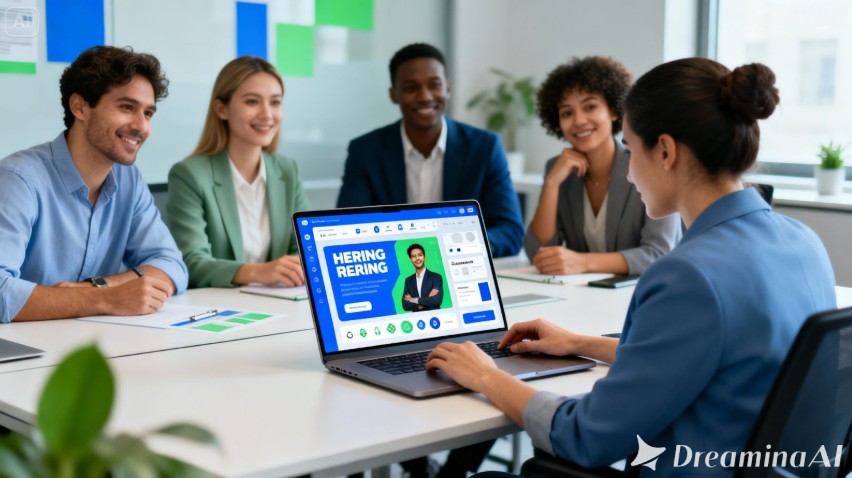
I experienced this firsthand while supporting a hiring campaign that required multiple role announcements across different regions. Waiting for custom creatives for each role simply wasn’t practical. Instead, we tested AI generators like Dreamina that enabled us to generate posters by describing the role, hiring intent, and audience tone.
The output wasn’t flashy or over-designed. That was actually the advantage. The visuals were clean, readable, and appropriate for professional hiring platforms. More importantly, they could be adjusted instantly as hiring needs changed.
Why Speed Matters More Than Perfection in Hiring Campaigns
HR content doesn’t need to win design awards. It needs to be timely and clear.
When recruitment visuals can be created the same day a role opens, hiring teams stay relevant. We used AI-generated posters for walk-in announcements, internship drives, and referral campaigns where turnaround time mattered more than visual perfection.
The difference was noticeable. Engagement increased not because the posters were “creative,” but because they appeared consistently, on time, and aligned with the message candidates were already expecting.
Making Practical Edits Without Rebuilding Everything
One challenge HR teams often face is reusing content across channels. A poster that works on LinkedIn may need adjustments for internal job portals or email campaigns.
Using an integrated AI image editor, we were able to make small but meaningful changes without starting over. Headings could be resized. Background tones adjusted. Layouts refined to suit different platforms. This flexibility mattered during high-volume hiring phases when multiple roles shared the same visual framework.
For employer branding, consistency matters. These small edits helped maintain that consistency without slowing the hiring process.
Enhancing Existing Images Without Losing Credibility
Not every recruitment asset starts from scratch. Many HR teams rely on older images from past events, office photos, or campus activities. These images often lack clarity when reused in modern digital campaigns.
Instead of replacing them, we tested subtle enhancement using a built-in photo enhancer. The goal wasn’t to transform images, but to improve readability and visual balance. Sharper images performed better, especially when shared on professional networks where image quality affects credibility.
For recruitment, authenticity is non-negotiable. Over-editing damages trust. Light enhancement preserves reality while improving presentation.
Device Compatibility in Day-to-Day HR Workflows
Most HR professionals work across multiple systems, often switching between applicant tracking platforms, email, and recruitment portals.
The tool we tested functioned smoothly on web-based desktop environments, which suited standard HR operations. No downloads. No heavy system requirements. Everything worked directly from a browser, making it easy for recruiters to collaborate or make last-minute updates during hiring cycles.
This matters more than it sounds. Tools that disrupt existing workflows rarely get adopted long-term in HR teams.
Responsible Use of AI in Employer Communication
AI tools don’t replace judgment. They amplify it.
And in recruiting, a picture should aid accuracy rather than fiction. We have been deliberately restrained in our testing, avoiding too many stylized outputs and doing all this to remain transparent and include everyone. Candidates will relate more to realistic messaging than to aspirational branding that is not consistent with the workplace.
Used responsibly, platforms like Dreamina become productivity tools rather than branding shortcuts. The value lies in efficiency, not illusion.
Where AI Visual Tools Fit Into Modern HR Strategy
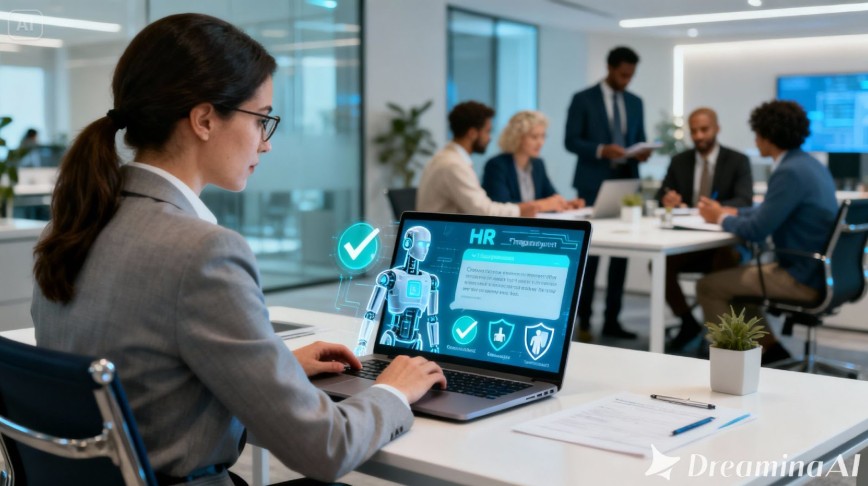
AI-generated visuals are not a replacement for an employer branding strategy. They are an execution layer.
These tools eliminate friction for HR teams handling multiple hiring streams, campus drives or referral programs. They let recruiters experiment with messaging, react to hiring needs on the fly, and establish visual consistency without relying on a separate team.
When execution becomes easier, HR professionals can focus on what actually improves hiring outcomes: role clarity, candidate experience, and communication quality.
Final Perspective
Recruitment has become a visibility game. The roles that get noticed are often the ones that look considered, current, and intentional.
AI-powered visual tools won’t solve hiring challenges on their own. But when used thoughtfully, they give HR teams control over how opportunities are presented. That control translates into faster campaigns, clearer messaging, and better candidate engagement.
In a hiring market where attention is limited, that advantage quietly makes a difference.